
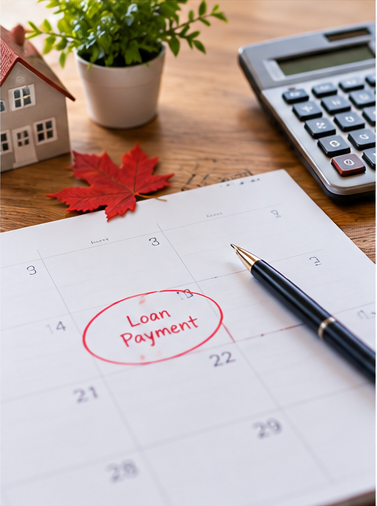
 Receiving loan funds is only the beginning of the borrowing process. The more important responsibility is making every required repayment while continuing to manage everyday living expenses. Canadians considering short-term online loans in Alberta should pay particular attention to repayment dates, payment amounts, and the money remaining in their accounts after each withdrawal. A carefully organized repayment plan can help borrowers identify potential problems before they become expensive financial setbacks.
Begin With Your Actual Take-Home Income
Many people think about their earnings in terms of annual salary or hourly wages.
For repayment planning, however, the amount deposited into a bank account is usually more useful.
Income taxes, employment insurance, pension contributions, benefit deductions, and other payroll adjustments can reduce the amount available for spending.
A worker earning a particular gross salary may receive substantially less after deductions.
Borrowers should therefore calculate their budget using actual take-home income rather than expected gross earnings.
People with variable work hours may need to use a conservative income estimate instead of relying on their highest recent paycheque.
Identify Expenses That Cannot Be Delayed
Essential living costs should be considered before adding a new borrowing obligation.
Rent or mortgage payments, groceries, utilities, childcare, transportation, and necessary insurance generally take priority in a household budget.
Existing debt payments also require attention.
If a borrower has several obligations due close together, even a relatively small additional loan payment could create financial pressure.
Creating a calendar of income deposits and payment due dates can reveal periods when available cash may be particularly limited.
This exercise is sometimes called cash-flow planning.
Match Repayments to Your Pay Schedule
Canadians receive income according to different schedules.
Some employees are paid weekly, others every two weeks, twice monthly, or monthly.
Self-employed individuals may receive payments only when customers settle invoices.
These differences affect how easily someone can manage a loan repayment.
A borrower paid every two weeks should calculate how much money will remain after essential expenses during each pay period.
Someone paid monthly may prefer a different instalment arrangement.
Consumers should confirm whether a lender permits payment dates that align with their income schedule.
They should not assume that payment dates can be changed after signing an agreement.
Understanding Pre-Authorized Payments
Many lenders arrange repayment through pre-authorized debits from a borrower’s bank account.
This allows payments to be withdrawn automatically on scheduled dates.
Automatic payments can reduce the risk of forgetting a due date, but they also require sufficient money to be available in the account.
If a withdrawal occurs when the balance is too low, the borrower may face a dishonoured-payment charge or other consequences permitted under the agreement and applicable law.
The financial institution may also charge a nonsufficient-funds fee.
For this reason, borrowers should record the exact withdrawal dates and review upcoming account balances.
A calendar notification several days before a scheduled debit can provide an opportunity to confirm that enough money is available.
Consider the Effect of Unexpected Expenses
Even a carefully planned budget can be disrupted by unexpected events.
A household appliance may stop working, a vehicle may need repairs, or a family member may require additional support.
If every available dollar is committed to debt repayments and necessary expenses, another unexpected bill can create immediate financial difficulty.
Maintaining some financial flexibility is therefore important.
Borrowers should avoid accepting the largest payment they can theoretically afford if doing so leaves no room for ordinary variations in spending.
A repayment arrangement that appears manageable on paper should also be realistic in everyday life.
What Happens When You Cannot Make a Payment?
Ignoring a missed payment rarely improves the situation.
Late payments may create additional charges, collection activity, or negative credit reporting, depending on the loan and circumstances.
Borrowers who anticipate difficulty should contact their lender before the due date whenever possible.
Some lenders may offer alternative arrangements, although availability and legal restrictions vary.
Consumers should request written confirmation of any agreed changes.
It is important not to assume that a promised extension eliminates interest or additional charges unless the revised terms clearly say so.
Avoid Borrowing Again to Cover Existing Debt
A particularly risky situation develops when someone takes out a new high-cost loan simply to repay an earlier one.
Although the new funds may temporarily solve an immediate payment problem, the borrower now faces another repayment obligation.
This can cause borrowing costs to accumulate while the original financial shortfall remains unresolved.
Alternatives may include discussing payment arrangements with creditors, reducing discretionary expenses, or seeking help from an accredited nonprofit credit counselling organization.
Build Better Financial Habits Between Paydays
Loan repayment planning can also encourage more consistent money management.
Tracking spending, setting automatic savings transfers when affordable, and reviewing account balances can help identify patterns.
An emergency savings fund, even if accumulated gradually, may reduce the need for future short-term borrowing.
The most practical repayment plan is one that fits actual income, preserves essential living expenses, and avoids creating a new financial problem when the next paycheque arrives.